Gut recovery after antibiotics: Tips for people with a bowel resection
Everything in microbiome world is cruising along just fine. On Lactobacillus Lane, microbes are happy and thriving. Bifidobacterium crescent is a joyful place to be, with bacteria gleefully interacting with food and living their best lives.
And then it happens – Cyclone Antibiotic barrels through the neighbourhood, tearing up foundations, flattening microbial homes, and leaving a path of destruction in its wake. Gut society crumbles. Food is left to wander aimlessly, unaccompanied by your usual microscopic crew.
I have tremendous respect for the might of antibiotics – after all, they do save lives. But I’ve also learned firsthand how much chaos they can cause in the gut. A recent dental issue forced me into a five-day course of the antibiotic clindamycin. And then, after surgery? Another five days. Brutal.
Long before my ileocecal resection, I’d been reading about gut health and was already cautious around antibiotics. These powerful medications don’t discriminate – while they fight off harmful bacteria, they also wipe out many of the beneficial ones that support digestion, mood, immunity, and overall well-being.
The effects of antibiotics on a resected gut
If you’ve had a gut resection, you already know things move a little differently down there. Your microbial community is living in a slightly reduced neighbourhood: fewer homes, less land, and often a thinner workforce to get digestion done. So when antibiotics swing their wrecking ball through town, the impact is sharper, and the bounce-back can be slower.
In my case, antibiotics didn’t just flatten my microbes; they seemed to unravel the fragile peace treaty between food and digestion I’d spent years cultivating. Without the ileocecal valve (and in my case, the final 80cm of small intestine), the balance is already delicate. Add a wide-spectrum antibiotic like Clindamycin and suddenly the gut becomes a war zone, with no real defence force left.
Signs Your Gut is Off Track from Antibiotics
So how do you know if your gut’s waving the white flag of surrender? Some common red flags include:
- Looser stools (or outright diarrhoea)
- Bloating and excessive gas
- An upset or “off” stomach that just won’t settle
- A drop in energy, brain fog, or even changes in mood
- Food suddenly causing more drama than it used to
For me, the primary clue is when everything feels a bit too fast. Digestion gets lazy, and my usual oat-based breakfast feels like it slips right through without clocking in for work. My gut becomes an orchestra, brrrp-ing and brrwwl-ing its way through the usual process, a noisy accompaniment to my evening viewing.
How to reduce the impact of antibiotics
Antibiotics may be necessary, but that doesn’t mean we can’t stack the deck in our gut's favour. You don’t need fancy powders or 73-syllable supplements – a few simple tactics can go a long way to protecting your inner ecology.
While we can't always predict when we'll need antibiotics, the everyday habits we build to support gut health create a strong foundation. Then, when antibiotics do come calling, we’re ready – with a simple support kit to help rebuild and rebalance once the course is done.
If you build it, they will come – everyday actions to support your microbiome
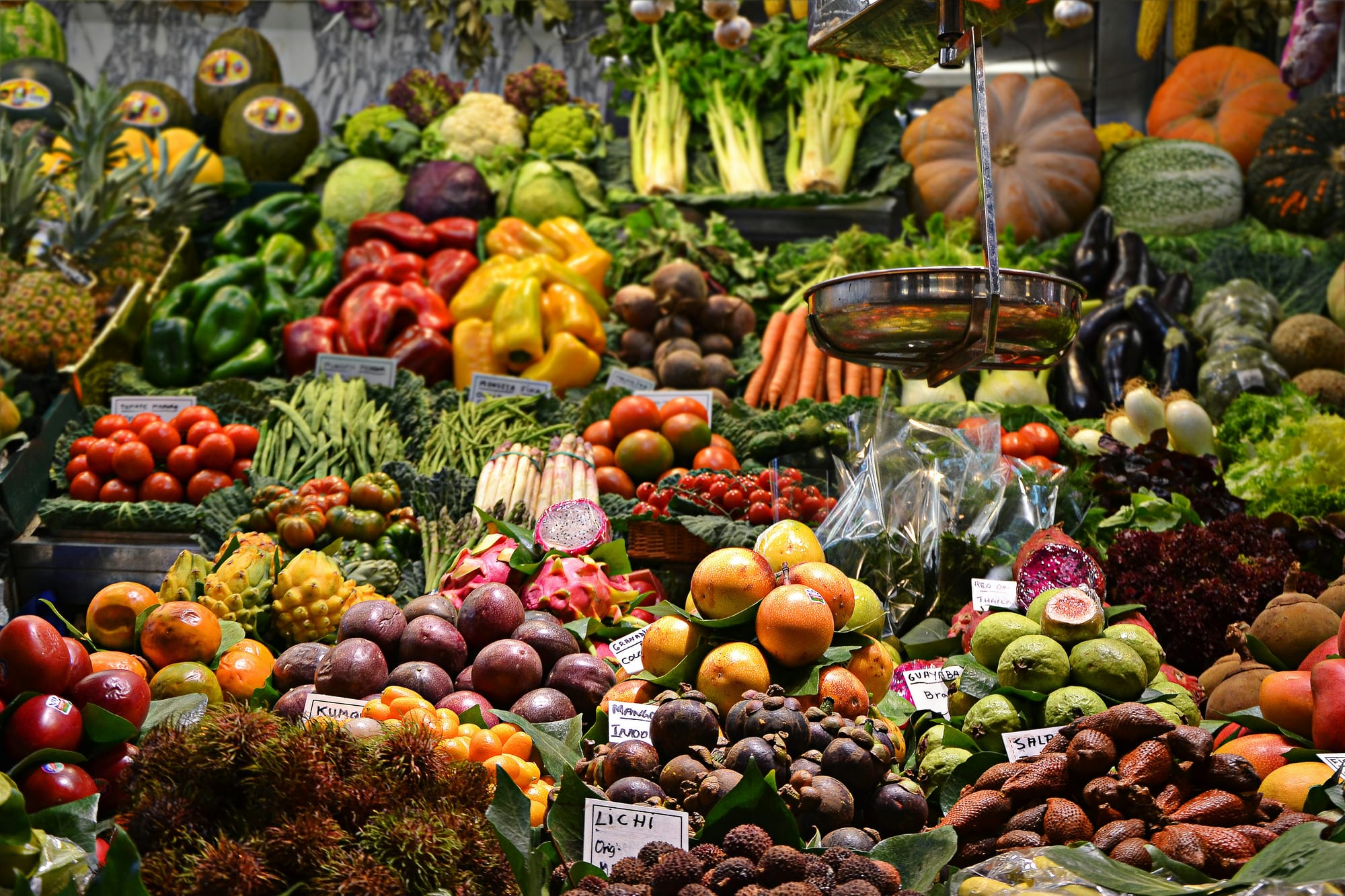
If like me you lack the power of clairvoyance, a course of antibiotics will always come as a surprise. So how do we prepare for it? The secret is to always be prepared.
If you're reading this blog, chances are you already care about gut health and are taking action daily to build your gut's defences. This means you would:
- Eat a variety of colourful plant foods – they’re the microbial buffet.
- Include prebiotic fibres (like psyllium husk – my daily ride-or-die).
- Regularly eat fermented foods like sauerkraut, kimchi, or plain yoghurt, which can offer a microbial top-up.
- Reduce ultra-processed foods that feed the wrong kind of bugs.
- Move your body. Even gentle exercise helps feed gut diversity.
A well-fed, diverse gut microbiome is better able to recover when the antibiotic bombs start falling.
Good gut health is never just a single action: rather, it is a series of small actions we take to support the whole. It is ongoing, and consistency beats every other metric when it comes to building a healthy gut.
Supportive actions during your course of antibiotics
Timing is everything. If you’re including probiotic foods or supplements make sure they don’t get wiped out alongside your bad bugs. Try to space them as far from your antibiotics as possible – 2–3 hours is a good buffer.
When you're well away from your last dose of antibiotics, mix in a probiotic snack, such as:
- Kefir or yoghurt – optionally add some fruit for fibre.
- Sauerkraut, kimchi, or other pickled vegetables – as wild and natural as you can find!
- Miso soup – especially warming in the winter months.
- Kombucha.
Other tips:
- Stay hydrated. Your gut is doing heavy lifting – help it out.
- Stick with easily digestible, fibre-rich meals (soups, stews, slow-cooked veg).
- Be gentle. Now is not the time for that three-cheese pizza challenge.
Bonus tip: Chicken bone broth
Consider adding some bone broth to your diet. Research suggests that bone broth may benefit the digestive system in a variety of ways. Bone broth contains amino acids like glutamine, glycine, and proline, which have been shown to support gut barrier repair and reduce inflammation – even in conditions like IBD.
While you can buy pre-made broth, I prefer to make it myself – it takes a 3-4 hours to simmer, but it's low effort. You can usually find offcuts of chicken at your local butcher, and they are quite cheap. Carcasses, necks, leg bones, or feet – any of these will do. They are perfect for making a rich, hearty stock.
During my recent bout of antibiotics, I made a Traditional Chinese Medicine version of chicken broth with added herbs to support overall health. Even without these herbs, the broth is nourishing and hearty, and will provide your body with vitamins, minerals, collagen, and more.
You can find plenty of recipes online, with or without the Chinese herbs, depending on your preference.
Rebuilding your microbial army – support during recovery
Once you’ve taken your last pill, it’s game on for recovery. Your gut needs time, and your microbes need building blocks.
Here’s how I approach it:
- I continue to regularly eat fermented foods. Yoghurt with berries or in a smoothie, kefir, sauerkraut as a side with any meal, and miso soup. In a 10‑week Stanford study, people who ate more fermented foods significantly increased their gut microbial diversity and lowered inflammatory markers – results not seen with high‑fibre diets alone
- I double down on prebiotic fibre diversity: legumes, oats, leafy greens, nuts, and seeds.
- I add a pharmaceutical probiotic. A little "professional help" never hurts.
- I avoid alcohol and ultra-processed foods for a few days or weeks, depending on how things feel.
- And I listen to my gut. If things feel off, I dial things back. If things feel strong, I go a little bolder.
No matter the antibiotic or the time you're on it, there are ways to help your gut community weather the microbial storm and rebuild on the other side. Returning to a gut that’s out of sorts can be frustrating, but remember this is temporary. It will pass. With a bit of support and patience, your inner ecosystem can bounce back. Your gut wants to recover – you just need to give it the right conditions to thrive.
You’ve got the tools. Now it’s just about showing up, one gut-loving choice at a time.
Comments ()