Psyllium Husk Every Day? My Gut’s Been Doing It for Years
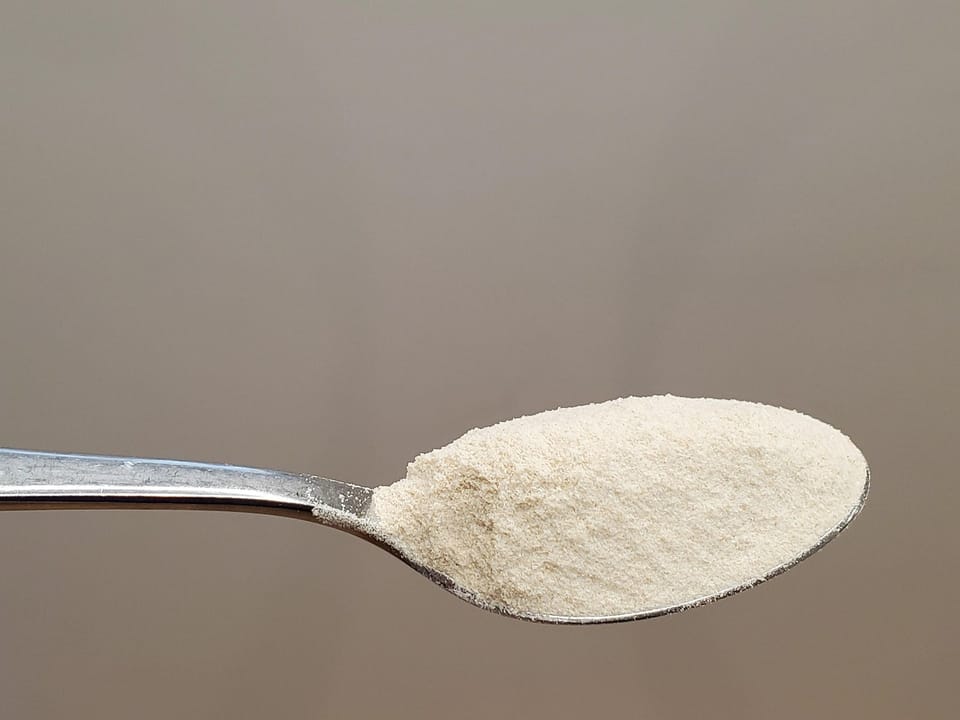
Can you take psyllium husk every day?
It's a common question – one I've had to answer for myself. For me, the answer has become a solid yes: I take it every day of my life.
Without my daily psyllium husk, food in my gut is living life in the fast lane. Meals do a drive-by visit to my digestive system before being ready for their next life on the other end – far too quickly.
With psyllium husk in the mix, it’s like giving my digestive system a gentle traffic cop: slowing things down, bulking up stools, and even binding excess bile.
But is it safe to have psyllium husk daily? Come along on a digestive journey with me as we explore the benefits, the potential pitfalls, and how to decide if my fibre superhero deserves a spot in your routine too.
How much should I take – and when?
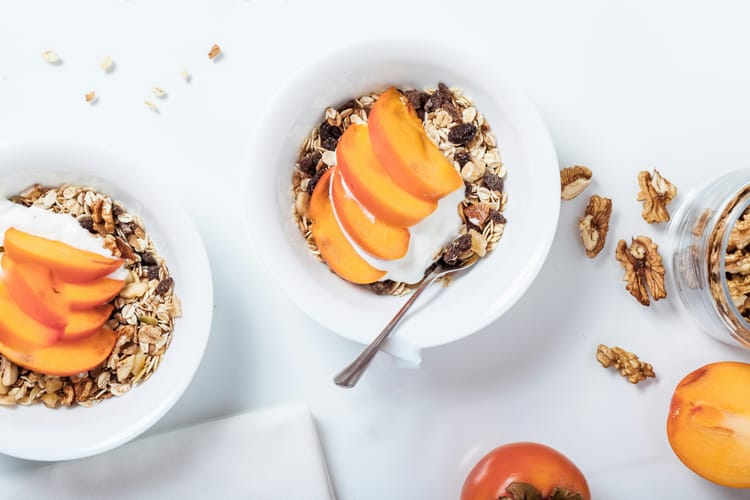
For general digestion support, most people do well with 5-10 grams of psyllium husk per day – roughly one to two teaspoons.. That’s what I mix into my oats every morning. If you're aiming for cholesterol or metabolic benefits, closer to 10 g (about a tablespoon) might be more effective.
Because psyllium draws water into the bowel, make sure you drink enough water – 250–300 mL is a good target. Let it sit too long, and it turns to sludge. I mix it quickly and let the glugginess happen further down, where it’s actually needed.
If you’re taking it twice a day, space out the doses: take one in the morning, and one in the evening.
How do I introduce psyllium safely?
Like any new addition to your diet, it’s smart to start small and work your way up. Try 1/2 tsp in water and see how it feels. Pay attention to how your body responds, and adjust from there.
Always follow the label instructions, and check with a health professional if you’re unsure how it might affect your gut or overall health. Go slow, stay hydrated, and listen to your body.
Why does it sometimes cause discomfort at first?
fermentation, gas, and initial bloating due to gut bacteria adapting. Psyllium is low‑FODMAP but still traps water and bulk – so sticking with it allows the system to settle. Most discomfort fades after a few days to weeks
I’ve heard psyllium husk can contain lead – should I be worried?
I only found out about this after taking psyllium husk daily for over four years. Naturally, it caught my attention, and sent me down a research rabbit hole.
The short answer is: yes – studies show that nearly every brand of psyllium husk sold in the U.S. contains trace amounts of lead. That’s because Plantago – the plant psyllium comes from – is often grown in lead-rich soils. As it grows, it naturally absorbs lead from the ground, which ends up in the final product.
I live in Australia, where no such study has been conducted. I stick by reputable brands and buy organic where possible.
So... should you be concerned?
The general consensus is that the levels are low enough not to pose a health risk, especially if you buy from reputable brands that do independent testing. Organic is a good idea, too.
That said, any lead exposure may be worth considering – so if you’re unsure or have any health concerns, it’s always smart to talk to your doctor.
Recommended brands of Psyllium Husk
One study singled out Organic India psyllium husk as their top choice. If you’re in the U.S., that could be a good place to start.
Are there any long term negatives or serious risks?
Research shows that daily doses of up to 10 g are generally well tolerated, with no evidence of dependency or lasting gut slow-down.
The potential side effects of psyllium are few, and usually avoidable. These may include:
- Mild to moderate gas or bloating.
- Abdominal discomfort.
- Choking risk if taken without enough water.
- Rare risk of bowel obstruction or bezoars without sufficient fluids.
Those last two are easy to avoid: drink plenty of water, and never take psyllium dry. Always listen to your body – we’re all different. If gas or bloating becomes a bother, adjust your dose to suit you.
Some people may be allergic to psyllium husk. If you’re unsure, check with your doctor before adding it to your diet.
Will psyllium interfere with my medications or supplements?
Yes, psyllium can interfere with some oral medications or supplements – mostly if they’re taken too close together. The good news? This is simple to avoid:
- Space your doses at least 1–4 hours apart.
- Hydrate well when taking psyllium.
- Talk to your doctor if you're on thyroid, psychiatric, heart, or diabetes medications.
With timing and awareness, psyllium can be a safe daily tool – even for folks on regular meds.
Are there any other benefits to taking psyllium husk?
There is definitely some evidence to suggest that psyllium can do more than just keep things moving in our gut. Psyllium husk:
- Supports heart health: It can help reduce LDL cholesterol levels, and some studies suggest it can assist in regulating blood pressure, too.
- Improve blood sugar control: Psyllium can be especially beneficial for people with type 2 diabetes or insulin resistance, slowing the digestion of carbohydrates and absorption of sugar. This helps blunt post-meal blood glucose spikes.
- May reduce inflammation in the gut: Studies suggest psyllium may can help IBS sufferers by reducing IBS-related gut inflammation.
Wrapping things up (like a healthy bowel movement)
So, can you take psyllium husk every day? For me, it’s a resounding yes – and I’ve got the gut to prove it. It’s not a miracle powder, but it is one of the simplest, cheapest, and most underrated tools I’ve found to support digestion, keep things moving at a steady pace, and gently nudge my body toward balance.
As always, your mileage may vary – but if you’re psyllium-curious, start low, go slow, and don’t forget the water. Your gut (and probably your future self) will definitely thank you.
Comments ()