A gut-friendly oat breakfast: prepping your resected bowel for a day of digestion
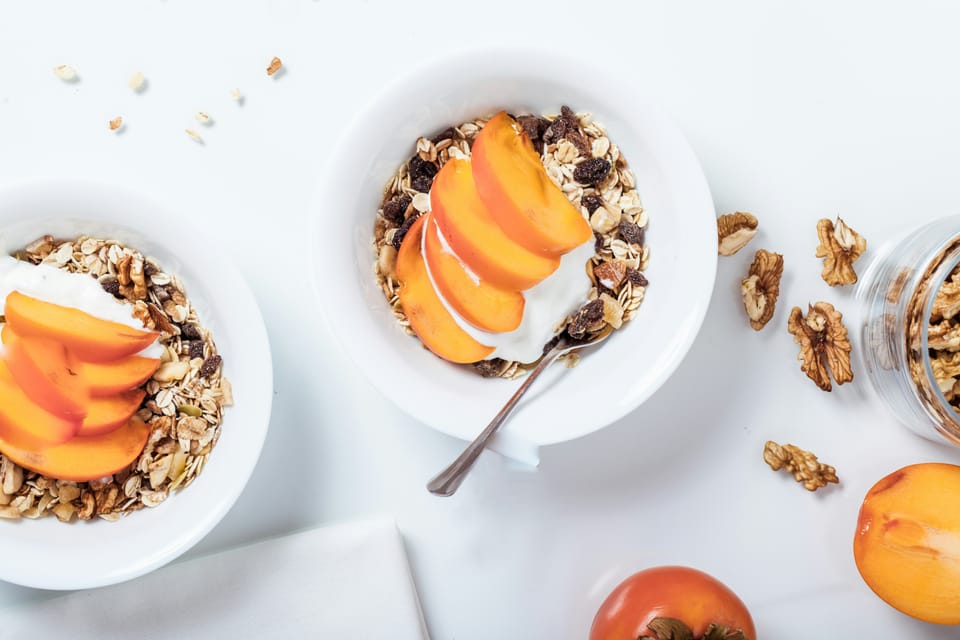
Gone are the days when I could slap some bacon on the pan, fry a few eggs, and chuck it all on a white roll, downing my breakfast with a dash of sauce and a heart full of enthusiasm without a care in the world.
After a bowel resection and with a shortened gut, this kind of greasy breakfast might do wonders for a hangover, but it is a complete punish on my gut. This kind of breakfast – at least, without any digestive preparation – is a recipe for runny poos and many visits to the toilet.
These days I prefer to start my day with a gut-friendly meal filled with fibre and nutrients that will set me up for digestive success.
Oats? Really? My gut shift after surgery
I know what you are probably thinking: oats are boring, why would you want to eat them every day? In one sense, I agree with you. They're not the most lusted-after breakfast food from a flavour point of view, but they pack a tremendous beneficial punch.
Since my surgery, I have had to rethink my priorities. Oats are incredible – nutrient-dense, good for digestion, and they can be eaten in multiple ways. After experimenting with the best breakfast foods to support my gut after ileocecal resection, oats are a – perhaps even the – clear winner.
So what's the big deal about oats? What makes them gut-friendly?
Oats are a nutrient-dense whole grain celebrated for their heart-healthy properties, digestive benefits, and sustained energy release. They are rich in soluble fibre – particularly beta-glucan – and can help lower LDL cholesterol and support blood sugar regulation. They are a plant-based protein that also provide important minerals like magnesium, iron, and zinc.
But the real win in my books is how beneficial they are for your gut, a prebiotic that supports digestive health and immune function while nourishing beneficial gut bacteria. They helped me lower my cholesterol to a healthy level, and a hearty breakfast of these steamrolled wonder grains lays a solid foundation for the rest of my digestive day.
For an additional level-up, steel cut oats are the least processed form of oats and offer the same benefits with a slower digestion rate and richer texture. They do take a little longer to prepare, but you are rewarded with a lower glycemic index and steadier energy release.
Okay – I'm willing to give oats a go.
Wonderful, I'm glad you're still with me.
Oats are the foundation, but I like to bulk it out a bit. Over time, I’ve built a powerhouse breakfast by layering in a few other gut-loving ingredients. Here is what I use, and why.
- LSA (Linseed, Sunflower, Almond) mix. Rich in essential fatty acids, vitamin E, and plant-based protein, supporting heart health, hormone balance, and skin integrity. Its blend of healthy fats and fibre also aids digestion and satiety.
- Hemp seeds. A complete protein source packed with omega-3 and omega-6 fatty acids, magnesium, and iron, promoting muscle repair, brain health, and inflammation reduction. Their nutty flavour makes them a nutrient-dense topper for meals.
- Chia seeds. High in soluble fiber, omega-3s, calcium, and antioxidants, helping to regulate blood sugar, support bone health, and promote healthy digestion. When soaked, they form a gel that supports gut motility, further increasing digestive benefits.
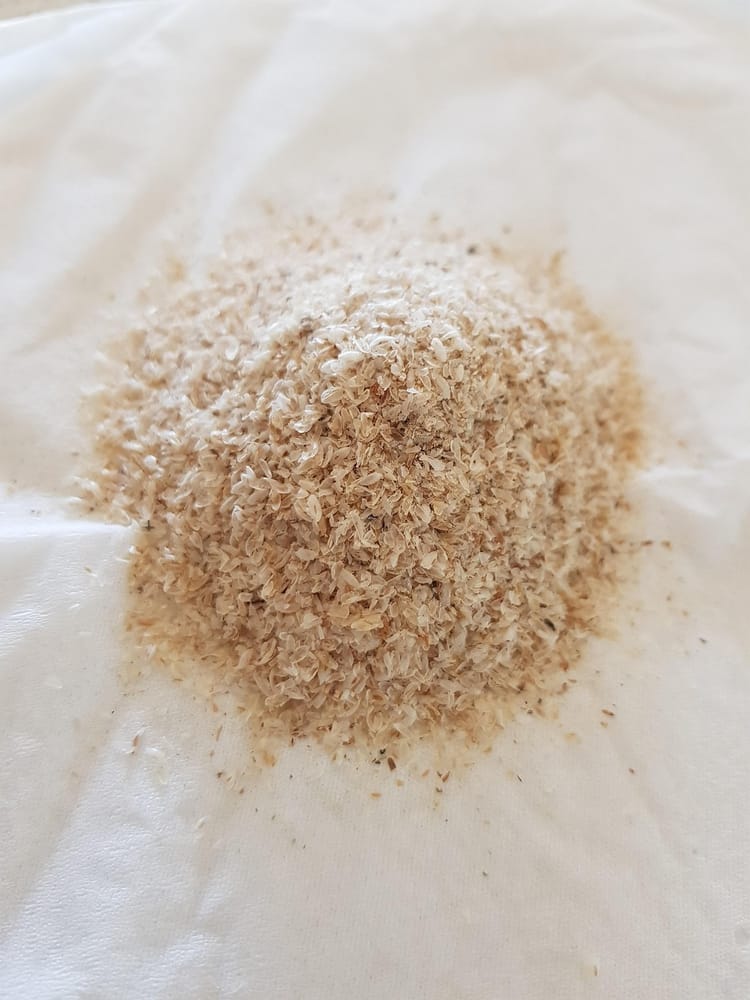
- Psyllium Husk. A powerful soluble fibre that promotes bowel regularity, supports gut health, and helps lower cholesterol. It absorbs water and forms a gel-like substance, easing stool passage and feeding beneficial gut bacteria.
- Fresh berries or Fruit. Depending on the season, I enjoy strawberries, blueberries, raspberries, apple (Pink Lady of course), dragonfruit, and banana. Berries and fruits provide fibre, antioxidants, and natural sugars that support immune function, skin health, and cellular protection.
- Peanut butter. Adds a little decadence, and offers healthy fats, protein, vitamin E, and magnesium, making it a satisfying and energy-dense addition that supports satiety and muscle function. Prefer varieties that are nothing but peanuts with no additives.
I often receive comments of surprise about the Peanut butter. I highly, highly recommend that you add this. It adds a richness that oats can lack – a salty kick that makes the meal feel a little more exciting.
For the liquid portion:
- Oat milk. My preferred dairy-free alternative milk. It's a source of beta-glucan fibre, contributing to cholesterol regulation. You can use any milk you prefer, or (partially) replace with water.
- Greens powder (optional). Typically combine dehydrated leafy greens, herbs, and antioxidants to support nutrient gaps, energy, and immune health. They provide concentrated doses of micronutrients like vitamin K, iron, and chlorophyll.
- Protein powder (optional). I use pea protein. It helps me meet daily protein needs for muscle repair, satiety, and metabolic support. Depending on the source (e.g. whey, pea, rice), it may also deliver BCAAs and other amino acids beneficial for recovery and strength.
With all of these combined, you're fuelling your body with nutrients, fibre, and slow-release energy in a meal that will keep you satisfied for many hours. Compared to other breakfasts, it will:
- Provide slow-release energy and increase satiety.
- Smooth the passage of food through your gut through the combination of oats, psyllium husk, and chia seeds.
- Provide a solid intake of nutrients and fibre.
- Aid in reducing LDL cholesterol levels – if that is an issue for you.
After laying this foundation, I can be much more free with what I eat for the rest of the day – even some trigger foods are tolerated much better.
My ultimate gut-friendly oat breakfast recipe
Ingredients
- 1/2 cup of rolled oats, or a mix of rolled oats and toasted muesli
- You can use steel cut oats if you prefer; recipe coming soon!
- 1 tsp psyllium husk
- 1/2 tsp chia seeds
- 1-3 tbsp of LSA mix. I like to go for 3tbsp to benefit my LDL cholesterol.
- 1 tbsp hemp seeds
- 1-2 tbsp peanut butter. You can substitute any nut butter you prefer.
- 3/4 cup of oat milk (substitute your favourite milk)
- 1 serve greens powder (the one I use is around 1tsp per serving)
- 1 serve protein powder (or to taste; it can thicken the milk a lot)
- Fresh chopped fruit and / or berries (raspberries, strawberries, blueberries, apple, and dragonfruit are what I enjoy, but add whatever you like!)
- Dried cranberries (these are a good substitute when you don't have fresh fruit, but I like to add some daily)
Method
- Add the oats, psyllium husk, chia seeds, LSA mix, and hemp seeds to a bowl and combine.
- Wash and chop the fruit, then layer on top of the oat mixture.
- Spoon out your peanut butter, and place in the bowl.
- Combine the oat milk, greens powder, and protein powder in a vessel and combine. You can use a protein shaker, a milk frother, or even a whisk or fork to stir this – however you can get it to combine.
- Pour milk, greens and protein powder mixture over the oats to taste. I tend to end up with a lot of milk, so I add some a bit at a time so the bowl is not too soupy, and if I have too much milk I will just drink it at the end.
An Oatstanding morning, every day
Give this breakfast a go and see how it works for you. I know it's not necessarily the most exciting meal ever, but I challenge you to view it in a new light: it's exciting for your digestion. Life is filled with trade offs, and if you have undergone a bowel resection, you're intimately familiar with that fact.
This little bowl of power and nutrition has dramatically impacted my health and digestion. It might not look glamorous, but it’s one of the most nourishing choices I make each day. When your gut has been to hell and back, a breakfast that shows up for you – every single day – is worth its weight in oats.
Comments ()