Why I Eat Psyllium Husk Every Day – and How I Make It (Actually) Tolerable
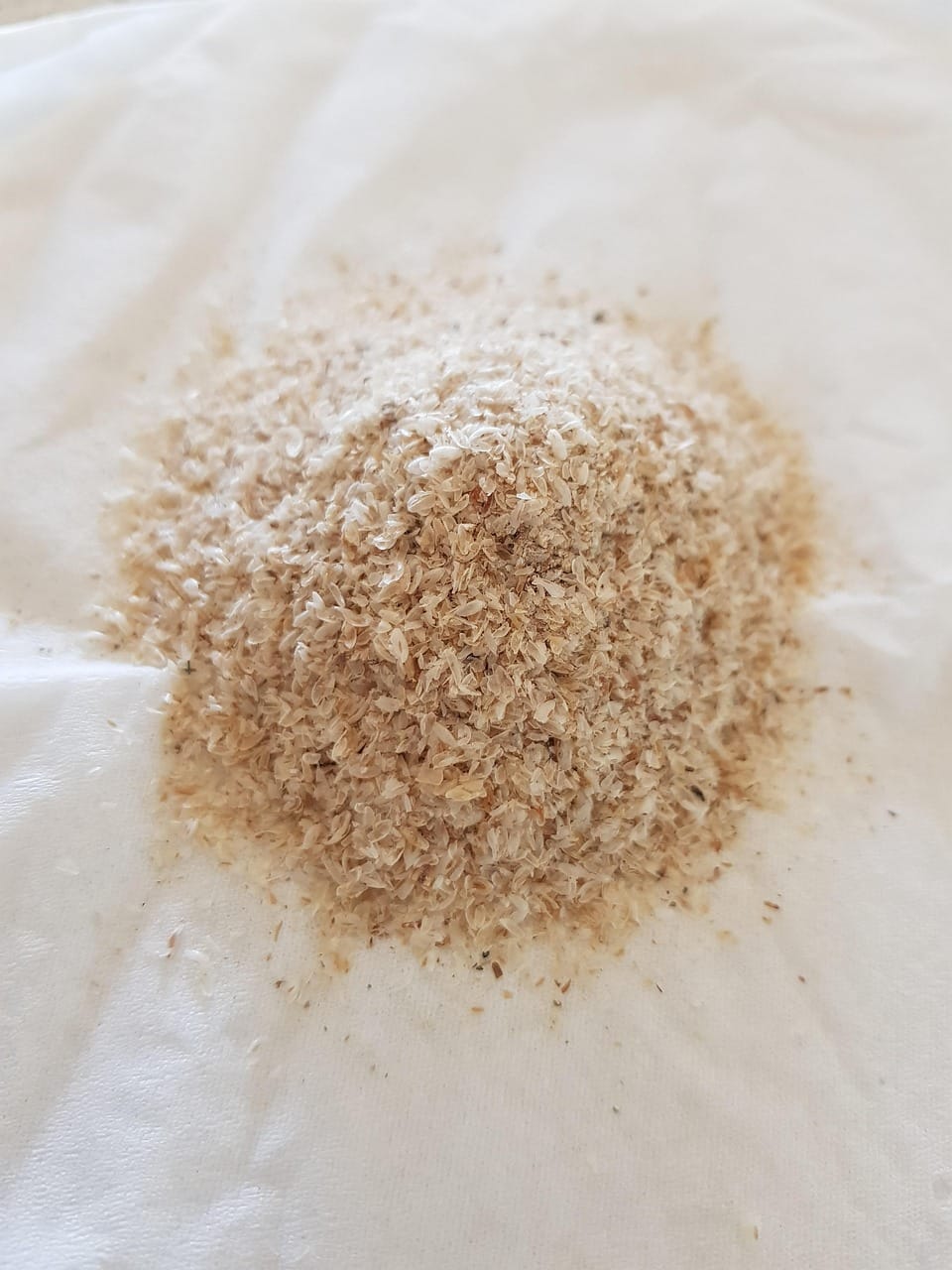
The title is not an exaggeration – I eat psyllium husk Every. Single. Day. That’s right – psyllium husk: the chaff-like substance everyone loves to hate. It kind of tastes like your straw mat spat out a mouthful of itself, and if you let it sit too long in water, it turns into a gluggy mess.
Look, it’s not glamorous, but if we’re honest, nothing about the gut really is. It’s functional, and serves a critical role in all our lives.
What is Psyllium husk and why should I eat it?
Psyllium husk is a natural soluble fibre derived from the outer coat of Plantago ovata seeds. It is a readily available natural fibre supplement to support gut health. When mixed with water, it forms a gel-like substance that gently bulks and softens stools, which helps to keep things moving smoothly through the digestive tract.
It has a rare talent: it can ease both constipation and diarrhoea. For people with compromised digestion (hello, fellow gut warriors), psyllium can be a surprisingly powerful ally, bringing stability, predictability, and comfort.
Psyllium husk has a surprising superpower: it binds to bile acids. Normally, when food reaches your small intestine, bile is released to help break down fats. This bile is reabsorbed in the terminal ileum – right near the ileocecal valve. Without this section (as in my case), bile can spill over into the colon, where it irritates the gut lining and draws water into the bowel, which can lead to diarrhoea. This condition, known as bile acid diarrhoea (BAD), is well-documented in people who’ve had ileocecal resections.
The heroic husk intervenes, acting as a gentle sponge by binding to excess bile and helping to reduce these common post-resection symptoms. It is a simple and natural support for those of us living without a small valve that once quietly performed a big job.
But it tastes gross
It doesn’t taste amazing, I’ll give you that, though I would say it’s far from what I would consider ‘gross’. Japanese natto is gross. Icelandic fermented shark is gross. Many people find blue cheese gross (not me, I live for that stuff!) Psyllium husk? It just tastes a bit like earthy water – not great, but far from unforgivable.
If you’re sensitive to this kind of thing, you might find it hard to drink. I would encourage you to push on though, because the benefits are worth it.
How to take psyllium husk – and avoid the gluggy disaster
If you mix psyllium husk in some water and let it sit for a few minutes, it will quickly turn into a gluggy mess. If this is how you’ve had it before, then I’ll give it to you – that is pretty gross.
The secret is not to let it sit for that long.
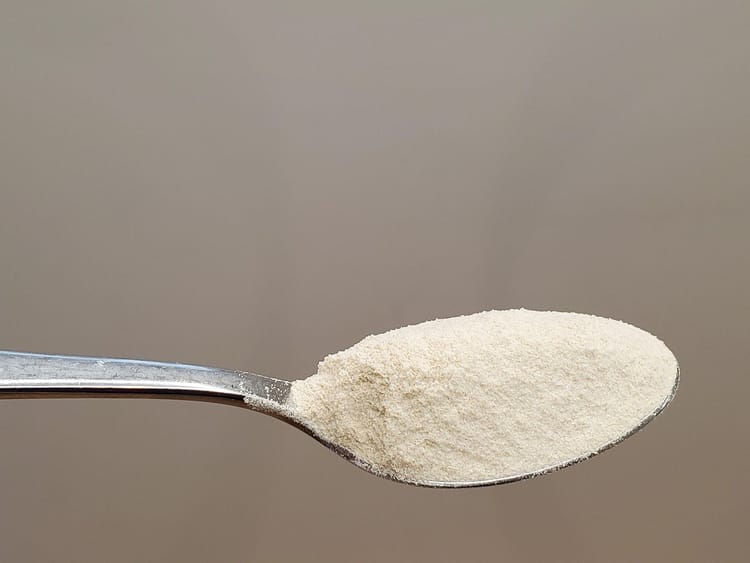
- Step 1: Add your psyllium husk to a glass.
- Step 2: Pour in water.
- Step 3: Stir like your life depends on it.
- Step 4: Drink it immediately. No eye contact, no chit-chat – just chuck it down. There. Finished.
Let the glugging happen in your gut, not your cup.
Mix it with other foods
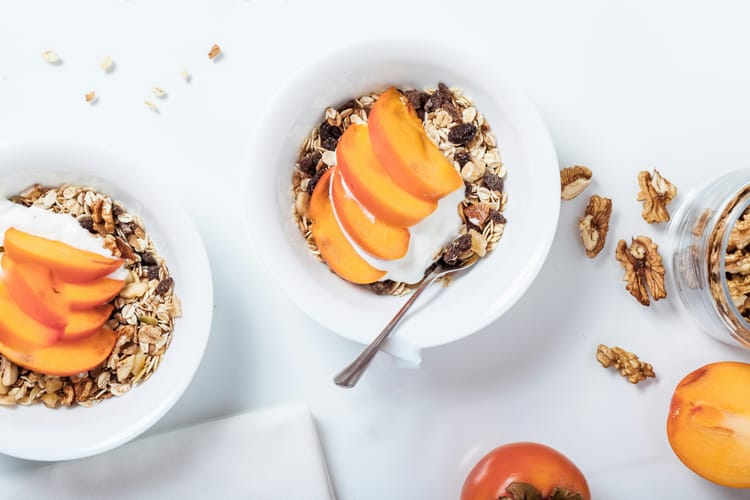
My favourite way to eat psyllium husk (a sentence I never expected to write) is stirred through a bowl of oats. You can have them however you prefer – rolled oats, steel cut oats, or toasted muesli, raw or cooked – just add some psyllium husk.
I’d recommend using a little extra milk (or water if you’re one of those people) as it will thicken up before you finish the bowl, but I find when I have a well-loaded bowl of oats with all the extras, I don’t even notice it’s there.
In fact this is my breakfast most days of the week. The combination of oats, fruits, nuts, seeds, and of course psyllium husk is a perfect marriage of nutrients and fibre, laying a strong foundation for digestion each day.
Long term benefits
The effects for me have been game-changing. The occurrence of diarrhoea has been significantly reduced, and things are much more regular. My stools are much firmer, which leads to a more pleasant toilet experience and way less mess.
It also helps with the level of urgency, another common side effect of people who have had a resection. I find that I am no longer slave to the demands of my colon; I can say, “Not now, colon,” and carry on with my day – without fearing that one wrong move might leave me with a lifelong memory and a fresh pair of pants.
Never leave home without it
I never travel without my psyllium husk. It’s as important to any trip as my passport and plane ticket.
Looking for a brand to try? Organic India Psyllium Husk is third party tested to ensure quality and, as the name suggests, is organic.
If you are looking for one supplement to improve your digestion, especially if you’ve had a bowel resection, psyllium husk deserves a place in your routine. It has earned its place in mine.
Comments ()