Gall Bladder Pain, Sludge, and an Unexpected Lesson in Bile Balance After Ileocecal Resection
Since my ileocecal resection five years ago, I have been living with a very different digestive system than I had my whole life before then. Experiencing repeated and runny poos on a daily basis was what I thought was simply a part of having this significant valve removed.
A couple of months ago, I began experiencing some pain and discomfort that turned out to be gall bladder related. I have been dealing with those issues since, and have discovered something I never thought would be possible after my bowel surgery: I don't have to put up with diarrhoea every day.
A painful education in gall bladder function
Saturday morning, 5am. I was away at a friends' 50th birthday weekend, and we had just had a communal Italian feast as Friday nights' dinner. I wake up too early after a late night, feeling some discomfort on the right side of my abdomen, just beneath my rib cage. It feels like a blockage and is feeling a bit painful, so I get up and go to the toilet, expecting that a good bowel movement will relieve it.
Twenty minutes and said toilet visit later, and nothing has changed. The feeling sits somewhere between strong discomfort and an indirect pain – if you're male, it's similar to that kind of indirect pain you get when being kicked in the nuts.
This feeling lasts a good hour and a half, slowly subsiding. I am unsure what it could be, but chalk it up to my resected bowel and some bizarre digestive interaction with the food I consumed the night before.
The following Saturday after Friday's dinner of a heavy north Indian dinner, and the same thing happens. Going to the toilet does not resolve it, and I take some time to quickly probe Google on what might be going on. No definitive answers, but some suggestion of gall stones. Dr. Google is never a good medical advisor, but it can help get you a general idea of what might be going on.
I thought the worst had passed, but I was wrong
Several weeks later and what I thought was a problem that had gone away turned out to be a false hope: I started developing a horrendous pain in the same area, the right side of my abdomen just underneath my rib cage.
For twenty minutes, I suffered through a pain that took my breath away. Lying down didn't help, though it felt initially like it might take some pressure off the area. Crouching on all fours was my next attempt, but it had no positive effect either. Walking around slowly while trying to breath calmly was slightly better, but honestly the pain was so awful that nothing really helped it. I tried paracetamol to no effect either.
The pain receded for 10 minutes, and then came back again. After that second episode, the area felt painful and tender for hours afterwards. I made a doctor's appointment for later that day to investigate. After several episodes like this, it was time to find out what was really going on.
Discovering the culprit
The doctor tested me for gall stones and deemed it a positive diagnosis – what they call a 'Murphy's positive' – and sent me for an ultrasound and blood test.
As it turns out, I do not have gall stones – at least, any that they could see. What I do have, is gall bladder sludge: a buildup of thickened bile that can cause pain similar to stones. This most often occurs in people who:
- have rapid weight loss;
- have bile stasis, meaning the gall bladder doesn't contract often enough to release bile;
- are pregnant, where hormonal changes can cause sludge formation;
- don't eat by mouth;
- experience other circumstances or causes such as surgery, underlying medical conditions, or take certain medications.
None of these were suitable causes in my case, but what doesn't come up in the top search results is that gall bladder sludge can occur even if the gall bladder is active: a diet high in fats, processed foods, and sugars can contribute to its formation. A poor diet can increase the cholesterol and other substances in the bile, leading to the concentration and formation of crystals and sludge, which may turn into gall stones over time.
This was certainly the case for me. I quite enjoy a good munch on some tasty treats, and my binges had become too frequent and gluttonous for my poor gall bladder to bear.
An immediate shift from reducing fatty foods – and the surprising digestive win
The very first and main recommendation I was given was to reduce my intake of fat. Sadly, healthy vs unhealthy fats is not a discussion that holds any weight for the gall bladder. Any excess fat will cause the gall bladder to contract and release additional bile to aid in fat digestion.
I cut fat to an extremely low level that day. I discovered shortly after that you should still include some fat, since the gall bladder still needs to be mildly active. Depriving it of fat entirely means it doesn't exercise its abilities at all, which can also be negative.
And so, favourite menu items were removed from regular rotation or heavily modified to reduce fat. No more creamy pesto pastas. Olive oil in home-made hommus was significantly reduced. I even cut out most of the peanut butter from my tried-and-true morning oats (I have since reintroduced a small amount!)
Goodbye, Bile Acid Diarrhoea
The digestive improvement I was not expecting from these changes was significant: my bile acid diarrhoea disappeared overnight. For five years, I had been experiencing runny poos, extra toilet visits, and loose stools and it was all due to Bile Acid Diarrhoea, otherwise known as BAD.
While I knew excess fat caused issues for me, I didn't realise that the level of dietary fat I was consuming – not at a level I thought was truly excessive overall – was high enough to be causing this. Nobody in any medical capacity that I had seen had ever even thought to mention BAD, let alone that I could manage it through diet.
I was completely flabbergasted. I went from 3–5 toilet visits per day to around two, and they were much more solid. I have been on a reduced fat diet for over two weeks now and it is such an amazing turnaround. I can't quite believe it.
Why this happens after an ileocecal resection
The ileocecal valve normally helps control the flow of bile acids back into the small intestine. Without it, more bile acids spill into the colon, where they draw in water and speed up transit — the classic cause of bile acid diarrhoea.
When I reduced my fat intake, I reduced the need for bile release, meaning less bile was flooding the colon, and digestion slowed to a more normal rhythm. In other words, less fat meant less bile chaos.
Reduced fat for better digestion
If you have undergone an ileocecal resection and done any of your own research on the topic, BAD has likely come up. I wish the doctor or surgeon had mentioned it to me earlier – or even at all. But like many things about my digestion post bowel surgery, I have had to learn and discover things on my own.
So I have made some dietary changes, which also happen to coincide with returning to resistance training at the gym. I am feeling pretty good, and my digestion is running super well.
Here are some of the things I have been eating late
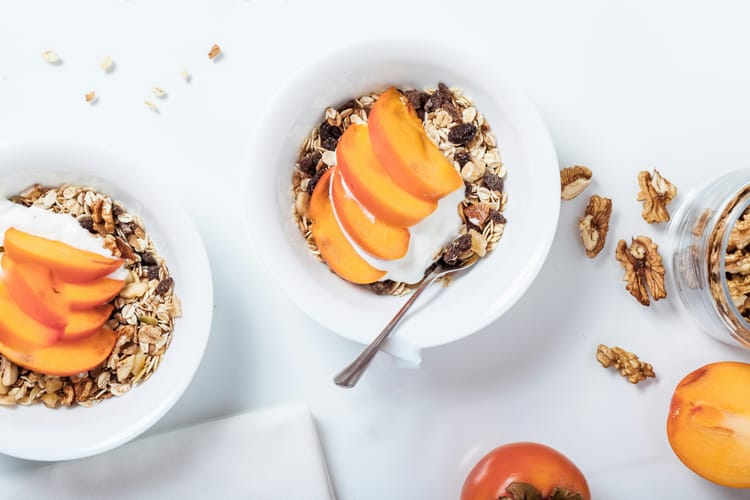
- My morning oats, but with less peanut butter.
- Smoothies with banana, berries, protein powder, and fresh greens.
- Lentil shepherd's pie – works well with sweet potato too.
- Poke bowl, without the fattiest parts (no salmon or avocado) – works well with tuna, grilled chicken, or tofu.
- Hommus with reduced olive oil. Put less in while blending, and you can always drizzle more on top for others in your household who can eat more (good) fat.
- Grilled kangaroo meat with salad.
- Vietnamese Bún – hold the pork and peanuts (chicken works great). Fresh and zesty, filled with salad and spice.
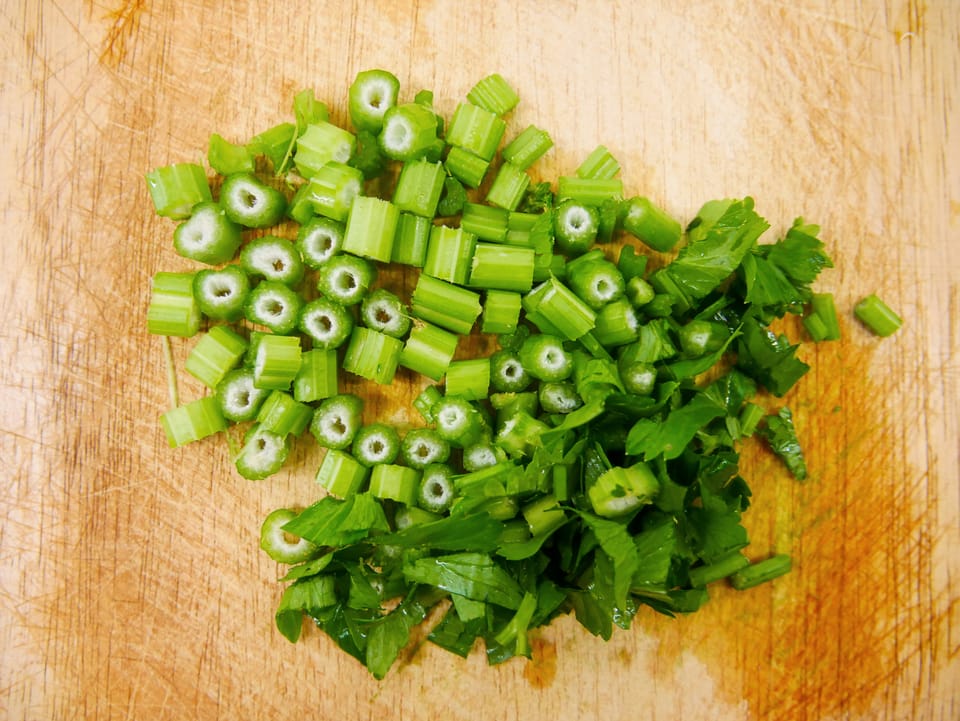
- Celery as a snack – a TCM (Traditional Chinese Medicine) assistive food for gall bladder issues.
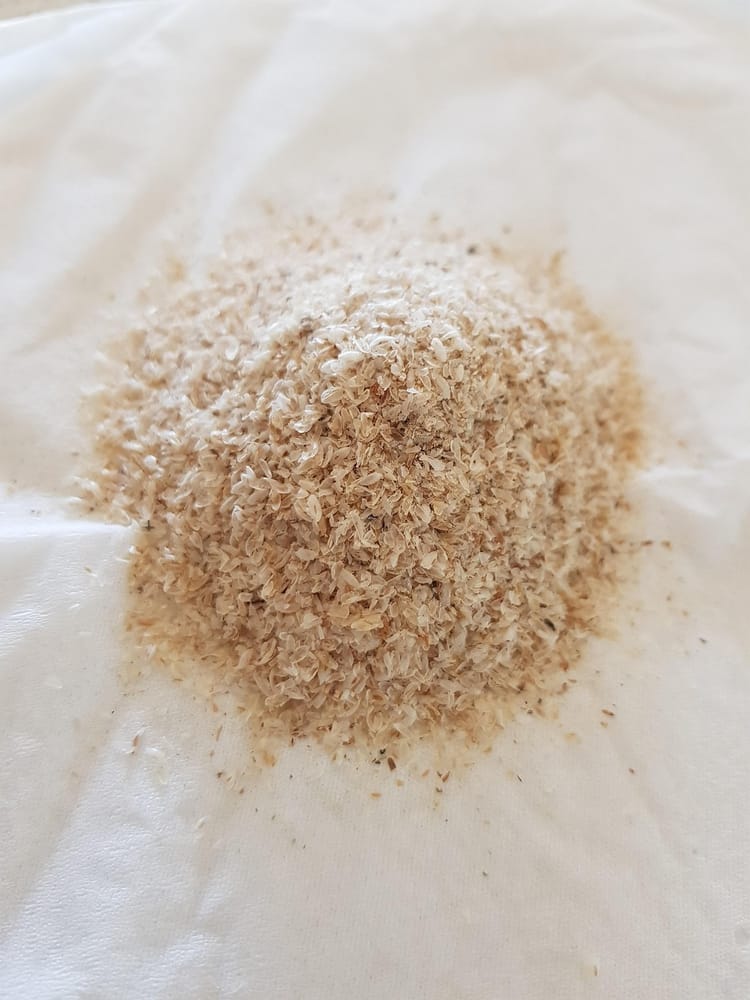
- Psyllium husk – still my digestive hero.
I'm feeling healthy and energetic, and my body is quite happy with the change.
So, is that the end of enjoyable food?
No, it's not the end. I can still enjoy some higher-fat foods, I just have to be careful and balance it out with better foods. This weekend just gone I had half a fried chicken sandwich at our favourite local cafe. I did pick off some of the fried breading on the chicken, but ultimately it was still the fatties thing I've eaten in weeks. It didn't cause me any issues, but I won't be reaching for it often.
You don't have to give up fat entirely to avoid BAD, in fact you still need small amounts to keep things running well. It's mostly about avoiding super fatty meals, or limiting your consumption of them to just a few bites.
For now, we'll be avoiding these meals that were previously common staples for us:
- Vegetarian nachos
- Creamy pastas
- Cheesy potato bake
- Lasagne
Of course, you can make any of these with less fat, and just have a small portion. If you are reading this to help with your own gall bladder and BAD issues, that's definitely an approach you can take. The key for me has been including salad with every meal, and eating more of the non-fatty foods than the fatty ones.
I'm not sure quite where the sweet spot lies, but I'll keep experimenting. I am certainly not keen to push it too far and suffer that gall bladder pain again – I highly recommend avoiding that as much as you can!
What’s next for me
My doctor and I are still monitoring my gall bladder sludge and resulting liver issues, and I’m exploring ways to support bile flow naturally. For now, though, it feels like I’ve stumbled onto something remarkable: a more comfortable digestive rhythm than I’ve had in years.
Comments ()